Mobile Esports Supportive Ecosystem: The Foundation Behind Competitive Mobile Gaming
Mobile esports has grown from simple smartphone gaming into a global competitive industry with millions of players, fans, and professionals.
Behind every successful mobile esports scene lies a supportive ecosystem made up of developers, tournament organizers, communities, sponsors, and digital infrastructure working together.
This ecosystem helps players compete, learn, and grow while creating opportunities across the gaming industry.
The concept of a mobile esports supportive ecosystem refers to the network of platforms, technologies, organizations, and communities that enable mobile esports to thrive.
Without this ecosystem, competitive mobile gaming would struggle to reach its full potential.
As mobile esports continues expanding worldwide, understanding the structure and importance of this ecosystem helps explain why the industry is growing so rapidly.
Table of Contents
What Is a Mobile Esports Supportive Ecosystem?
A mobile esports supportive ecosystem is the collaborative environment that supports competitive gaming through technology, communities, infrastructure, and professional opportunities.
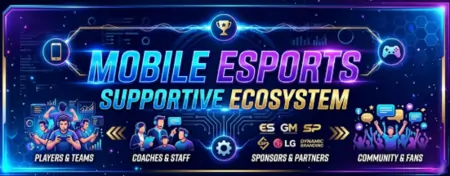
It includes several interconnected components such as:
- Game developers
- Esports teams
- Tournament organizers
- Streaming platforms
- Gaming communities
- Sponsorship networks
- Technology providers
Each element contributes to creating a healthy and sustainable competitive gaming environment.
Key Components of the Mobile Esports Ecosystem
Mobile esports depends on multiple industries and participants working together.
Game Developers
Game developers design and maintain the competitive titles that drive the esports scene.
They update gameplay mechanics, balance competitive elements, and introduce new content to keep the experience fresh.
Developer support often includes:
- Competitive ranking systems
- Tournament-friendly game modes
- Regular updates and balancing patches
- Anti-cheat technologies
Strong developer involvement is essential for long-term esports sustainability.
Tournament Organizers
Tournament organizers create competitive opportunities for players at different skill levels.
Events may include:
- Online community tournaments
- Regional championships
- Professional leagues
- International esports events
These competitions give players the chance to demonstrate their skills and gain recognition.
Esports Teams and Organizations
Professional teams recruit talented players and provide structured training environments.
Teams support players through:
- Coaching and strategy development
- Sponsorship partnerships
- Training facilities
- Team management and branding
These organizations help transform competitive gaming into professional careers.
Streaming and Content Platforms
Streaming platforms allow players to broadcast their matches to global audiences.
Benefits of streaming include:
- Growing fan communities
- Educational gameplay content
- Entertainment for esports viewers
- Opportunities for players to build personal brands
Content creators play a significant role in expanding mobile esports popularity.
Community Engagement
Gaming communities are one of the most important parts of the ecosystem.
Communities provide:
- Player collaboration and networking
- Strategy discussions
- Tournament information
- Social support and friendship
A strong community culture encourages participation and keeps esports environments welcoming.
Technology That Supports Mobile Esports
Technological innovation plays a major role in building the mobile esports ecosystem.
High-Performance Smartphones
Modern smartphones now support advanced graphics, fast processors, and high refresh-rate displays, enabling competitive gameplay.
Cloud Gaming and Streaming
Cloud-based technologies help players access gaming services without requiring extremely powerful devices.
Improved Internet Infrastructure
Fast and stable internet connections allow smooth multiplayer competition and tournament broadcasting.
Anti-Cheat Systems
Security technologies ensure fair gameplay by detecting and preventing cheating or unfair advantages.
Economic Opportunities in the Ecosystem
The mobile esports ecosystem supports various career paths.
Professional Players
Top competitors earn recognition through tournaments and sponsorships.
Content Creators
Streamers, video creators, and analysts build audiences through gameplay content.
Event Production Teams
Tournament organizers, broadcasters, and event staff manage esports competitions.
Game Developers and Designers
Developers continue improving mobile esports titles and introducing new competitive experiences.
These roles contribute to the growing esports economy.
Benefits of a Strong Mobile Esports Ecosystem
A healthy esports ecosystem benefits both players and the gaming industry.
Player Development
Supportive systems allow new players to learn and improve their skills.
Global Community Growth
Mobile esports connects players from different regions and cultures.
Industry Stability
Strong infrastructure helps ensure long-term growth of the esports market.
Innovation and Creativity
New technologies and gameplay ideas continue evolving through competitive environments.
For more information see the rise of mobile esports
Challenges Facing the Mobile Esports Supportive Ecosystem
Despite its growth, the ecosystem still faces several challenges.
Infrastructure Gaps
Some regions lack stable internet connections or competitive esports facilities.
Device Performance Differences
Players using lower-end smartphones may experience performance disadvantages.
Tournament Accessibility
Not all players have equal access to organized competitions.
Player Well-Being
Maintaining healthy gaming habits remains important for long-term sustainability.
Addressing these challenges will help strengthen the ecosystem further.
The Future of Mobile Esports Supportive Ecosystem
The future of mobile esports looks promising as technology and global gaming communities continue expanding.
Emerging developments may include:
- Larger international tournaments
- AI-powered training tools
- Cross-platform competitive gaming
- Educational esports programs
These innovations will likely strengthen the ecosystem and expand opportunities for players worldwide.
Final Words on Mobile Esports Supportive Ecosystem
The mobile esports supportive ecosystem plays a vital role in the success of competitive mobile gaming.
By combining technology, community engagement, professional organizations, and global connectivity, this ecosystem enables players to compete, learn, and grow within the esports industry.
As mobile esports continues evolving, strong ecosystem support will remain essential for sustaining innovation, inclusivity, and long-term growth.
Frequently Asked Questions About Mobile Esports Supportive Ecosystem
1. What is a mobile esports ecosystem?
It refers to the network of developers, communities, tournaments, and technology that support competitive mobile gaming.
2. Why is ecosystem support important for esports?
A strong ecosystem ensures fair competition, player development, and industry growth.
3. Who are the key participants in the mobile esports ecosystem?
Game developers, players, teams, tournament organizers, streaming platforms, and gaming communities.
4. Can beginners join mobile esports ecosystems?
Yes. Many community tournaments and ranked systems allow new players to participate and improve.
5. Do mobile esports require expensive equipment?
No. Most competitions can be played on smartphones that many users already own.
6. How do esports teams support players?
Teams provide coaching, strategy development, and organizational support for competitive players.
7. Are streaming platforms important for mobile esports?
Yes. Streaming helps build audiences, promote tournaments, and connect fans with players.
8. Can mobile esports create job opportunities?
Yes. Careers include professional gaming, event organization, content creation, and game development.
9. What challenges affect mobile esports ecosystems?
Challenges include infrastructure gaps, device performance differences, and limited tournament access in some regions.
10. What is the future of mobile esports ecosystems?
Future growth may include larger tournaments, advanced technology, and expanded global participation.