Mobile Esports Mainstream Acceptance: How Competitive Mobile Gaming Became a Global Phenomenon
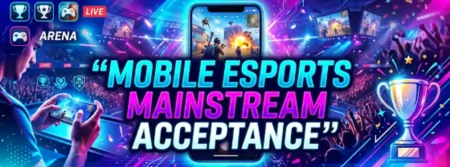
Mobile esports has transitioned from a niche segment of gaming into a widely recognized and respected part of the global entertainment industry.
What was once considered casual smartphone gaming is now a thriving competitive scene with large tournaments, professional teams, sponsorships, and millions of active viewers.
This transformation reflects the growing mainstream acceptance of mobile esports across different regions and audiences.
With advancements in mobile technology, improved internet connectivity, and the rise of digital communities.
Mobile esports has gained recognition not only among players but also among brands, media platforms, and traditional sports audiences.
It is no longer just an alternative to PC or console esports—it is now a major pillar of the gaming industry.
Table of Contents
What Does Mainstream Acceptance Mean in Mobile Esports?
Mainstream acceptance refers to the widespread recognition, participation, and support of mobile esports by the general public, industries, and global audiences.
This includes:
- Large-scale tournaments with high viewership
- Corporate sponsorships and partnerships
- Professional player recognition
- Media coverage and streaming growth
- Integration into popular culture
Mobile esports is now seen as a legitimate competitive platform rather than a casual pastime.
Key Factors Driving Mobile Esports Mainstream Acceptance
Several factors have contributed to the rapid growth and acceptance of mobile esports.
1. Accessibility of Smartphones
Smartphones are widely available, making mobile esports accessible to a larger audience compared to traditional gaming setups.
Players can join competitions without investing in expensive equipment.
2. Free-to-Play Game Models
Many mobile esports titles are free, allowing users to participate without financial barriers.
This encourages mass adoption and increases the player base.
3. Global Internet Expansion
Improved mobile internet networks enable smoother gameplay and streaming experiences.
This allows players from different regions to compete in real-time.
4. Streaming and Content Creation
Live streaming platforms have played a major role in promoting mobile esports.
Viewers can watch matches, learn strategies, and follow professional players easily.
5. Professional Esports Infrastructure
The development of structured leagues, organized tournaments, and official rankings has elevated mobile esports into a professional industry.
For more information: the rise of mobile esports
Role of Media and Influencers
Media coverage and gaming influencers have significantly boosted mobile esports visibility.
Content Creators
Players and streamers showcase gameplay, tutorials, and highlights, attracting new audiences.
Social Media Promotion
Platforms help spread tournament announcements, player achievements, and gaming trends.
Esports Broadcasting
Professional tournaments are streamed globally, reaching millions of viewers.
These channels help transform mobile esports into mainstream entertainment.
Economic Growth and Industry Investment
The increasing popularity of mobile esports has attracted investment from various sectors.
Sponsorship Deals
Brands partner with players, teams, and tournaments for exposure.
Advertising Revenue
Streaming platforms generate income through ads and viewer engagement.
Merchandise and Branding
Teams and players create branded products for fans.
Event Production
Large tournaments create job opportunities in event management, broadcasting, and marketing.
This economic activity supports the long-term growth of the industry.
Social and Cultural Influence on Mobile Esports Mainstream Acceptance
Mobile esports has also influenced modern culture and social interaction.
Youth Engagement
Many young people use mobile gaming as a primary form of entertainment and social connection.
Community Building
Players form friendships and networks through shared gaming experiences.
Global Connectivity
International tournaments allow players from different countries to interact and compete.
Mobile esports has become a cultural bridge connecting diverse communities.
Challenges to Full Mobile Esports Mainstream Acceptance
Despite its growth, mobile esports still faces certain challenges.
Perception Issues
Some audiences still view mobile gaming as less competitive compared to PC or console esports.
Device Performance Differences
Variations in smartphone capabilities can affect competitive balance.
Infrastructure Gaps
Some regions lack organized esports systems or reliable internet connectivity.
Overcoming these challenges will help strengthen acceptance further.
Future of Mobile Esports Mainstream Acceptance
The future of mobile esports looks highly promising as technology and industry support continue evolving.
Expected developments include:
- Larger international tournaments
- Cross-platform competitions
- Improved mobile gaming hardware
- Stronger global esports communities
These advancements will likely solidify mobile esports as a dominant force in global gaming.
Conclusion on Mobile Esports Mainstream Acceptance
Mobile esports has achieved significant mainstream acceptance by combining accessibility, innovation, and global community engagement.
It has transformed competitive gaming into an inclusive platform where players from all backgrounds can participate and succeed.
As technology and industry support continue to grow, mobile esports will play an even greater role in shaping the future of digital entertainment and competitive gaming worldwide.
Frequently Asked Questions About Mobile Esports Mainstream Acceptance
1. What does mainstream acceptance mean in mobile esports?
It means mobile esports is widely recognized, supported, and followed by players, audiences, and industries globally.
2. Why has mobile esports become popular?
Its accessibility, affordability, and wide smartphone usage have contributed to its rapid growth.
3. Are mobile esports considered professional competitions?
Yes. Many tournaments feature professional players, teams, and structured leagues.
4. Can mobile esports compete with traditional esports?
Yes. Mobile esports has its own large audience and competitive ecosystem.
5. How do streaming platforms help mobile esports?
They allow players to broadcast matches and attract global audiences.
6. Are mobile esports tournaments held worldwide?
Yes. Many events include participants from multiple countries.
7. Do mobile esports require expensive equipment?
No. Most players can compete using smartphones they already own.
8. Can mobile esports create career opportunities?
Yes. Players, streamers, and organizers can build careers within the industry.
9. What challenges affect mobile esports acceptance?
Perception issues, device performance differences, and infrastructure gaps.
10. What is the future of mobile esports?
It will likely continue growing with larger tournaments, better technology, and increased global participation.