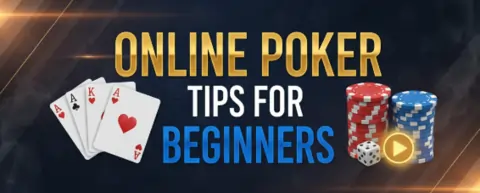
Online Poker Tips for Beginners
Online poker has become one of the most popular card games in the world.
Whether you’re playing for fun or planning to be competitive in tournaments, mastering poker requires patience, technique, discipline, and a smart mindset.
As a beginner, it’s easy to feel overwhelmed — but learning the basics and practicing consistently will help you improve faster than you expect.
This guide will help you build strong fundamentals so you can play confidently, manage your bankroll wisely, and avoid common mistakes newbies make.
Table of Contents
Why Online Poker Is Popular
Online poker attracts millions of players because it combines strategy, skill, psychology, and luck.
Unlike many casino games, poker rewards knowledge and smart decision-making. The more you study and practice, the better your results.
For moe casino games read Top online casino games
✅ Best Online Poker Tips for Beginners
1. Learn the Hand Rankings First
Know what beats what. You should recognize hands like flush, straight, full house, and pairs immediately. Beginners often lose simply because they misread hands.
2. Start With Low-Stake Games
Begin with smaller bets to learn the flow of the game. This reduces losses while you build experience and confidence.
3. Play Fewer Hands But Play Them Aggressively
Beginners often play too many hands. Focus on quality starting hands and raise confidently when you have strong cards.
4. Understand Table Position
Your betting position matters. Players who act later have more information and an advantage. Learn to use position to your benefit.
5. Study Your Opponents
Watch how others play — who bluffs often, who plays tight, who bets big only on strong hands. Observing patterns helps you make better decisions.
6. Avoid Bluffing Too Much
Movies make bluffing look cool — but in reality, beginners should bluff moderately. Bluff only in the right situations, not every hand.
7. Manage Your Bankroll
Set a budget and don’t exceed it. Poker is long-term; proper bankroll management keeps you in the game longer.
8. Control Your Emotions
Don’t let frustration influence your decisions. Emotional players often chase losses and make poor moves.
9. Practice Patience
Online poker requires discipline. Don’t rush; folding is often the smartest move.
10. Review Your Hands
Study your gameplay and learn from mistakes. Many platforms allow hand reviews — use them to improve.
🎯 Key Online Poker Tips for Beginners’ Mistakes to Avoid
| Mistake | Why It Hurts You |
|---|---|
| Playing every hand | Leads to big losses |
| Calling too often | Passive play is weak play |
| Chasing losses | Causes emotional decisions |
| Ignoring position | You lose strategic advantage |
| Thinking poker is luck-based only | Skill matters a lot |
💡 Final Thoughts on Online Poker Tips for Beginners
Poker isn’t mastered overnight. Start slow, be patient, learn strategy, and practice consistently.
Online poker rewards those who think smart, stay disciplined, and keep improving.
Treat each game as a learning opportunity — and remember that even the best players once started as beginners.
❓ Frequently Asked Questions on Online Poker Tips for Beginners
1. Is poker skill or luck?
Poker is mostly skill over the long term, but luck can affect short-term results.
2. How much money do I need to start playing?
Start with a small bankroll appropriate for low-stake tables. Only use money you can afford to lose.
3. What’s the best poker game for beginners?
Texas Hold’em — it’s the easiest to learn and most popular.
4. Should beginners bluff often?
No. Bluffing too much is risky for new players. Use it rarely and smartly.
5. How can I practice poker?
Play free games, join low-stake tables, and review hands regularly.
6. What is a “tight” poker style?
Tight players only play strong hands and avoid weak ones — a good beginner strategy.
7. What is position in poker?
Your seat relative to the dealer. Acting later gives you more information to make better decisions.
8. Can I win real money playing online poker?
Yes — but only if you play on trusted platforms and use proper strategy.
9. Is it okay to fold often?
Absolutely. Folding weak hands saves money and increases long-term success.
10. How long does it take to get good at poker?
It varies. With consistent study and practice, you can improve significantly within a few months.